
What Branded vs Non Branded Keywords Reveal
Summarise this blog




Table of Contents
Key Takeaways
- Separating branded vs non branded keywords in Google Search Console means splitting searches that carry your brand name from the general ones.
- That split is what shows the real performance of your marketing rather than the headline click count.
- The proportion of new customers arriving through SEO becomes visible for the first time.
- Broad search terms then become the raw material for content that matches how people search in the AI era.
- Aimed properly, that content brings new audiences to the site and moves them towards a decision.
Plenty of brands watch site visits climb into the tens or hundreds of thousands a month, compare that against revenue or new customers, and find the second number has not moved. The usual cause is looking only at total clicks, without separating the people who already knew the brand from the people meeting it for the first time.
With AI search reshaping how people look for things, the quality and the search intent behind a query matter more than a broad click count. Splitting the data in Google Search Console to see which words customers actually use is the thing that tells you whether the marketing approach is working.
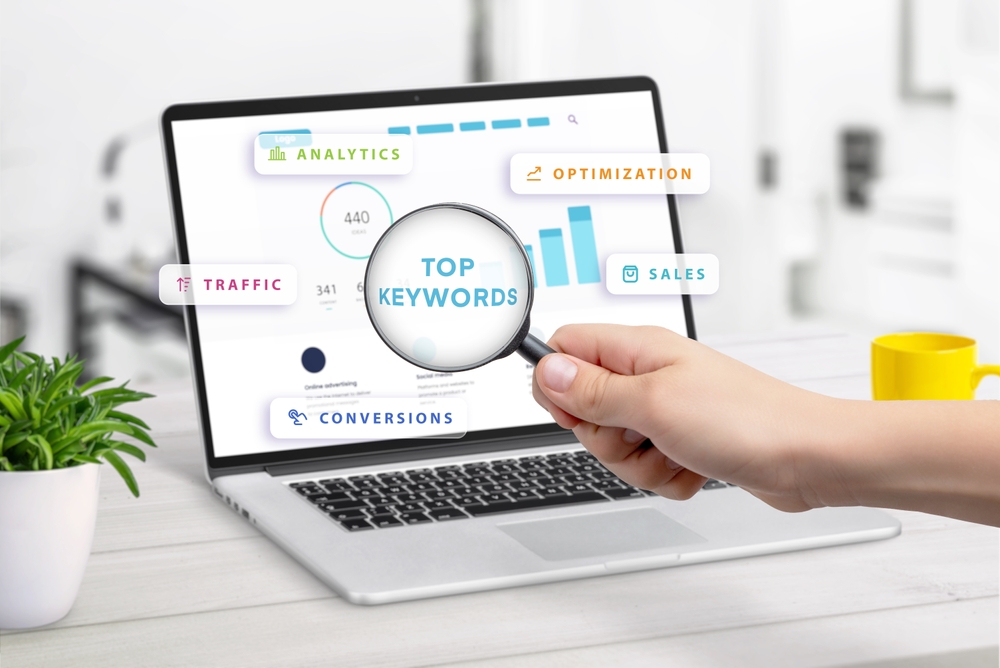
Branded and non branded keywords produce very different outcomes in SEO
What Branded vs Non Branded Keywords Are
Understanding the difference between the two types of keyword is the foundation of judging the quality of the visits a site receives.
Branded keywords, the measure of brand pull
A branded keyword carries the brand name, the company name, an executive’s name or a specific product name. Nike running shoes, iPhone 17 price, or Primal agency.
People searching this way already know the brand and know what they want. They usually sit at the closing end of the decision. Visits from this group tend to carry a very high click-through rate and conversion rate, which reflects the brand building, PR or offline advertising that came before.
Non branded keywords, where new customers are actually won
A non branded keyword is a general search someone types to solve a problem, find information or compare products, with no brand name attached. Online marketing agency Bangkok, best camera phone 2026, or how to run ads.
This group has not chosen a brand yet, which makes these terms the real opportunity to bring new customers in. A site that ranks and draws visits from them is showing what SEO is genuinely delivering.
The two side by side
| Comparison | Branded keywords | Non branded keywords |
|---|---|---|
| User intent | Wants to reach the brand directly | Looking for information, comparing, or seeking a solution |
| Brand awareness | Knows the brand well | Searching, or open to new options |
| Click-through rate | Fairly high, since the decision is close | Moderate to low, depending on ranking position |
| What it measures | Branding and PR | The strength of the SEO approach |
Using Google Search Console To Split Them Automatically
Separating branded from non branded used to mean exporting the data into a spreadsheet, or writing regular expressions. Google Search Console now carries a feature that uses AI to sort and filter the queries for you.
Setting it up
- Sign in and select the property you want to analyse
- Go to Performance in the left-hand menu
- Click Add filter and choose Query
- Select the branded or non branded filter
Once set, the system learns and pulls out the terms connected to the brand, including misspellings and the main product names, automatically. It takes a great deal of time out of the analysis.
Honest measurement
The feature solves a well-known problem in marketing reporting: visit numbers that look better than they are. A team reports hundreds of thousands of clicks of growth, and once the data is split, most of it turns out to be people who were already searching the brand name. Filtering that out shows what SEO has really achieved in winning shares from customers who did not know you.

Reading The Data And Acting On It
Once you have the proportions, the analysis is where the commercial advantage sits. Two cases come up most often.
Strong brand, no new customers
If branded keywords show high search and click volume while general terms show almost nothing, the brand has a solid existing base or reputation but is losing the chance to grow. The answer is content that addresses broad problems: how-to articles, buying guides, reviews, catching people at the start of the search.
Plenty of visits, nobody remembers you
The reverse. A site drawing large volumes from general terms while brand-name searches stay very low means the SEO approach is producing visibility, but the site may lack distinctiveness, or the pages may not build enough credibility to be remembered. The fix is branding on the site itself: a clear statement of what the brand stands for, real customer reviews, and evidence of specialist expertise.
Turning The Split Into SEO And AI SEO Work
Separating branded vs non branded traffic is not just reporting material. It is planning material.
Precise SEO turns the gaps into revenue
Non branded keywords with high impressions but a low click-through rate and a deep ranking position are the hidden opportunities. Take those terms, improve the content structure, sharpen the title tag, and fill the gaps in the article to push the position up. For structural work you can measure, an SEO agency in Bangkok brands work with will turn those openings into revenue you can actually count.
Getting the site ready for AI search
Non-branded searches often arrive as questions or as detailed requirements, which matches how people behave with AI, typing long sentences to hold a conversation with the system. Taking those questions out of the data and designing them into an FAQ, or structuring content to answer directly, is what makes a page ready. It raises the chance the brand gets cited and pulled through as the first answer.
Search Console is more than a place to look at click counts. It decodes what consumers actually intend. Separating brand searches from general ones lets a brand see the truth, tell branding results apart from SEO results, allocate the marketing budget correctly, and grow revenue on a footing that lasts.
If your brand wants a team that judges results on visit quality and revenue rather than headline numbers, Primal works closely on search and on AI search, with a clear method for turning new audiences into customers by aligning content structure with search intent, so the brand becomes the first option both search engines and AI reach for.
Fill in the form on the site today for a working session with our specialists.
References
- Introducing the branded queries filter in Search Console. Retrieved June 2026 from https://developers.google.com/search/blog/2025/11/search-console-branded-filter
- Google expands Search Console branded queries filter to all eligible sites. Retrieved June 2026 from https://searchengineland.com/google-search-console-branded-queries-filter-expands-471387
Frequently Asked Questions About Keyword Analysis In Google Search Console (FAQs)
Q: If the brand name is also an ordinary word, how do you make the filter accurate?
A: Where the business name is a generic word, the AI can get confused. Switch to a custom filter using regular expressions instead, which lets you define precisely which query patterns should count as the brand name.
Q: How far back does Search Console data go?
A: Site owners can currently pull search performance data going back up to 16 months, which is enough to compare year-on-year trends.
Q: Can Search Console query data be connected to other reporting systems?
A: Yes. Connect the API to a dashboard tool such as Looker Studio to build a report that splits the search proportions automatically and updates in real time.
















Join the discussion - 0 Comment