

Rebranding Explained, With 3 Techniques For A New Image
Summarise this blog




Table of Contents
Key Takeaways
- Rebranding is the deliberate change of a brand’s image and identity, from vision and voice to logo, packaging and every touchpoint, to fit a new market, audience or era.
- Eight triggers call for it, including a changed or wider audience, a bigger product range, expansion, a name too close to a rival’s, reputational damage, a forgotten brand, a new CEO or a merger.
- Done well, it makes the brand memorable, reaches old and new audiences, strengthens it against competitors and re-energises staff and customers.
- Three rules: change from the inside out, change everything that carries the brand rather than one part, and do it rarely, because each rebrand costs time, money and goodwill.
- Cha Tra Mue, Srichand and Bar-B-Q Plaza show what a Thai rebrand looks like when it keeps the heritage and updates the rest.
One of the hearts of any brand is “the brand” itself, the symbol that lets consumers remember our products and services, because the brand is the organisation’s image in the eyes of society, not only its audience. Build the brand successfully and the whole market knows you.
By its nature, though, every owner has to accept that a brand is not permanent. However popular or well known it is today, nothing promises it will stay in the same position for ever, because many factors drive change: competitors, missed revenue targets, a changing era, the wish to lift the brand’s potential, the effect of outside events, and changes to the marketing approach or the organisation’s structure. These are what call for rebranding, to rebuild and refresh the brand’s image so it looks current and fits a changing society. So what is rebranding, and when is it the right move?

What Is Rebranding?
Many brands have been in the market for years without reaching some of the goals they set, such as revenue that is lower than it should be, or a wish to move to a new audience. That may be the signal that it is time to rebrand.
Rebranding is changing an organisation’s image, or the way it is remembered. It is a marketing approach an organisation uses to reshape itself and carry that change into practice in every dimension, often including a change in the vision or the thinking of the people inside, so everyone drives the new brand to its goal together. The organisations that should rebrand are those that meet one of these conditions:
- The brand’s audience has changed, or widened
- The product range has grown more varied
- The brand wants to expand at home and abroad
- The name duplicates or resembles another brand’s so closely that customers confuse them, and the brand has no image of its own
- The brand has been hurt by outside events
- The brand has become forgotten history
- The CEO changes, so the brand changes with them
- Two companies, or more, merge or one takes over the other
What Are The Benefits Of Rebranding?
- Building a memorable identity, which leads to more chance of success where the old brand could not reach its goals
- Developing the brand to reach both the existing audience and the new one it wants, which brings more profit
- Making the brand strong enough to beat competitors more easily
- Waking up both the owner and the audience, because anything that stays the same, with nothing new however long it runs, naturally draws less attention and can bore consumers, and even with a good product or service, people still want something better
Those benefits are the reason to rebrand, but it cannot be done on a whim, because the brand has to judge whether its time has come. If it meets one of the conditions, such as weak revenue or an image consumers do not remember, a change of image like this is worth trying to make the brand stand out. The techniques follow in the next section.
Techniques For Effective Rebranding
These three rebranding tips are the difference between a brand refresh that lands and one that confuses.
Change From The Inside Out
Often a rebrand is a change the audience and customers notice, but when the people inside are asked, they cannot say why it happened. In fact, understanding should be built inside the organisation, from every level of staff to the leadership, at the same time, because everyone is a representative of the brand who can speak to the people around them. If the people inside do not understand the real purpose of the change, or understand it only partly, the rebrand delivers less than it should.
Change Everything That Carries The Brand, Not One Part
Some think a small adjustment is enough, but a rebrand should change “everything” that carries the brand, not one part of it.
First, a brand is more than a logo. It includes the way it communicates, its colours, type, shopfront, products and every piece of material that carries the logo. All of it should change together and in the same direction, because a half-finished change becomes vague, unclear communication that misleads and confuses people outside, and leads to a rebrand full of problems that never succeeds.
Do Not Rebrand Often
One rebrand takes a great deal of time and money, so before starting, be sure the result will achieve what you want. If the plan is not tight and complete enough, the time and money invested can be wasted, and worse, the response can be negative, which no brand wants.
Case Studies: Thai Brands That Rebranded Successfully
Each of these is a rebranding strategy in practice, and together they show how to rebrand without discarding the heritage.
Cha Tra Mue

From a traditional image that had been part of Thai life for decades, the tea sold from street carts at modest prices, “Cha Tra Mue” moved to a more modern image by shifting into shopping centres and creating a wider menu: Thai tea ice cream, lower-calorie drinks, seasonal drinks and many more teas that suit the modern consumer. The rebrand brought the brand a surge in revenue.
Srichand

The legendary face powder many Thai women know well. “Srichand” previously sold its product as “Srichand fragrant powder”, a name from an era when women applied scented powder to the face. Looking back, the brand’s design was attractive for its time, but today it drew less attention because the packaging no longer looked modern.
Srichand undertook a major rebrand, from “Srichand fragrant powder” to “Srichand powder”, with a beautiful design suited to the changed era that still kept the feel of an original that had been part of Thai life for so long, and consumers responded warmly. The brand went further with new products, lipstick, skincare, foundation and blusher, and brought in the well-known actress Baifern Pimchanok as presenter to add a modern note to the brand.
Bar-B-Q Plaza
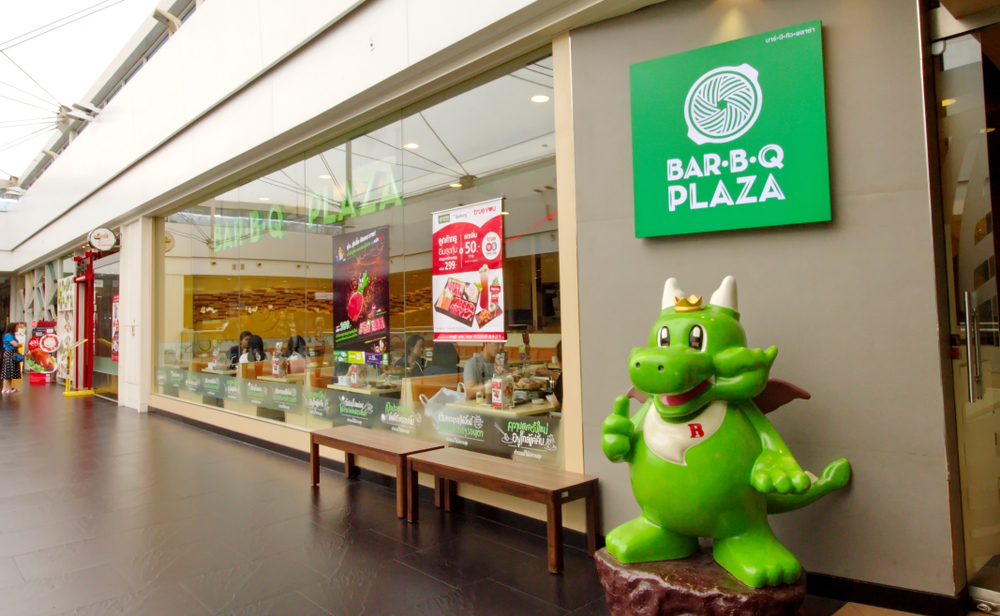
“Bar-B-Q Plaza”, the grill restaurant for every age, grew hugely popular because it sits in shopping centres and its food suits most consumers. But when competitors in the same category multiplied, the brand’s popularity began to fade, so Bar-B-Q Plaza decided to rebrand at 25 years old, shifting its position from “selling food” to “selling happiness”, and changing small details, such as staff uniforms that look more modern and energetic, and a more open feel inside the restaurant.
Later, the brand began communicating more with consumers through campaigns tied to the moment, used social media to promote the brand, and leaned on its green dragon mascot for charm, which draws consumers into engaging with the brand.
Summary
Rebranding is an effective marketing approach for a brand that wants to bring its image up to date. It is also a way to adapt and survive in a digital age where everything changes all the time, because rebranding lets the brand differentiate itself and compete better with brands in the same category.
If you feel your brand is falling behind and want to reshape it but do not know where to start, contact Primal, a digital marketing agency with a team of Thailand’s leading marketing specialists, to talk it through.
Frequently Asked Questions About Rebranding (FAQs)
| Question | Answer |
|---|---|
| What is the difference between rebranding and a brand refresh? | A brand refresh updates the surface, such as the logo, colours, type or packaging, while the positioning and audience stay the same. A rebrand changes the substance: the positioning, the audience, often the name, and then everything that carries the brand. Srichand’s redesign was closer to a refresh; Bar-B-Q Plaza’s move from selling food to selling happiness was a rebrand. |
| When should a company rebrand? | When one of eight triggers applies: the audience has changed or widened, the product range has grown, the brand is expanding into new markets, the name is confused with a rival’s, outside events have damaged the brand, the brand has been forgotten, leadership has changed, or two companies have merged. Weak revenue alone is a reason to investigate, not yet a reason to rebrand. |
| How do you rebrand a company successfully? | Start inside, so every employee understands why before customers see anything. Change everything that carries the brand at once and in one direction, from voice and visuals to packaging and the shopfront. Keep what customers loved, as Cha Tra Mue kept its tea and Srichand its heritage. And plan it as a once-a-decade event, not a yearly one. |
| How much does rebranding cost? | It ranges from the cost of a design agency and new materials for a small brand to a multi-year programme covering research, design, packaging, signage, digital assets and launch marketing for a large one. The larger hidden cost is the risk of confusing customers, which is why the three techniques above matter more than the budget. |



















Join the discussion - 0 Comment