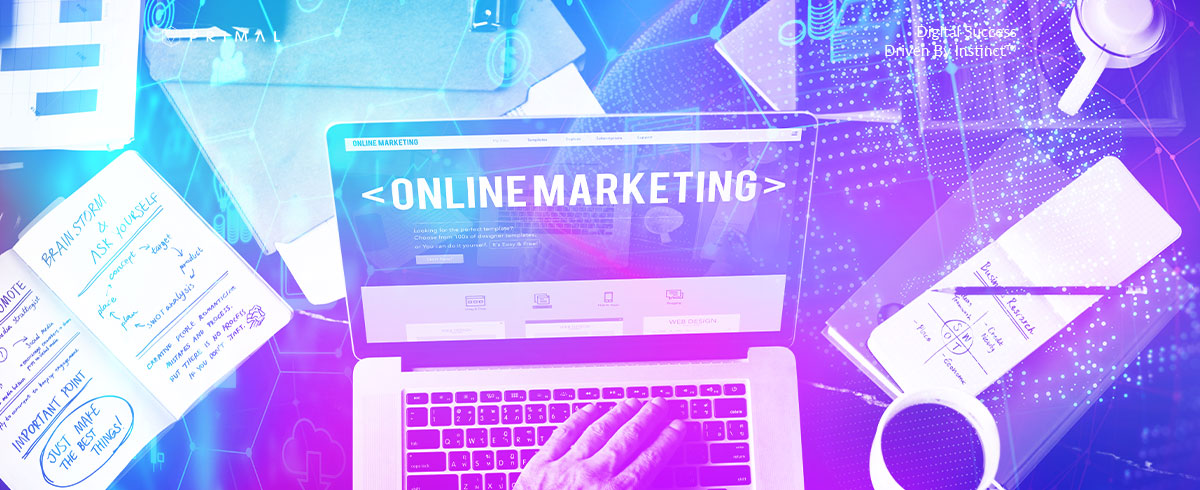

5 Digital Marketing Problems Entrepreneurs Face, And Fixes
Summarise this blog




Table of Contents
Key Takeaways
- Online marketing challenges are the recurring obstacles that stop a new online seller reaching customers and converting them, and most come down to planning gaps rather than bad luck.
- The five most common: no market analysis, no time to keep the website updated, no content skills, no after-sales service, and no SEO or pay-per-click.
- Market analysis starts with five questions: what, to whom, where, why and how to sell.
- Real-time stock, a defined brand position and after-sales care are process fixes, not budget fixes.
- SEO and PPC bring customers through search, and an experienced agency is the fastest route when the skills are not in-house.
In an age when being online drives almost everything in daily life, buying and selling online looks as easy as a tap. From the seller’s side, though, getting to the point called success is not easy at all, because the more brands market online, the more competitors there are. Every brand has to find ways to stand out from the rest and win a place in consumers’ minds, and there are plenty of obstacles along the way. These are the online marketing challenges that trip up most new sellers.
Anyone new to running a brand, or without enough experience to take on the big names, will know that the early days of selling online are trial and error, finding what works best for your own brand. A marketing plan that looks sound may not work once it is tried, and reaching the point where everything fits takes a good while.
There is no need to worry, though. This article gathers the five online selling problems every new seller meets, with the techniques to fix them, so that when they come up you will be ready to handle them like a specialist.

The 5 Online Marketing Challenges Entrepreneurs Face
No Thorough Market Analysis
The first problem many people meet is not analysing the market thoroughly, because selling online looks easy: anyone can post a picture, write a caption and add a hashtag. In fact, selling any product or service starts with market analysis, and the five basic questions to ask yourself are what to sell, to whom, where, why and how.
Once those are answered, the brand’s direction, audience and purpose become clear. Many entrepreneurs skip this part and go their own way, which carries high risk, because the online market has many brands selling similar products or services, and if a competitor has planned tightly, that is where you lose.
So the first fix for an online marketing problem is to analyse the market well before acting. Have a clear plan and approach, analyse your brand’s strengths and weaknesses, what you have that competitors lack, and what competitors do that you do not yet, then apply it to the brand’s marketing plan.
Study the audience’s behaviour in detail too, such as gender, age, education and income, so the product fits that group, and look for the channels they use most. Teenagers may be reached mainly on Instagram, the middle-aged more on Facebook. The way you communicate has to match the Leading Instagram Advertising Agency in Bangkok, Thailand the audience’s age too: a teenage audience addressed in an overly grown-up voice does not fit. Study case studies of competitors that have succeeded, to make your own online marketing as effective as it can be.
No Time To Keep The Website Updated
In a physical shop, when a product runs out you restock it. Selling online is different, because updates have to happen in real time, and the more platforms you sell on, the more you have to check that each channel’s stock matches reality. Platforms such as e-commerce marketplaces and social commerce may reduce the count automatically, but some website types do not, so when a customer orders and pays and the product is out of stock or short, problems follow. And because a website is a channel where customers do not contact the brand directly as they do on social media, fixing it is even more awkward. This is one of the ecommerce challenges that scales with every new channel.
The fix is simple: choose a website platform that updates in real time, so that once the stock count is set, the system reduces it with each order, and customers can see at once whether a product is out of stock or how many are left.
If you are unsure about building the website, contact Primal Digital Agency for advice.
No Content Expertise
Online marketing cannot do without content, because content is what makes customers know the brand. Without that skill, a brand will not succeed. It may sound harsh, but in modern marketing, where everything becomes social media content, it is simply true. Remember that hundreds of competitors are producing content to compete for the same visibility.
Without content skills, planning online selling becomes impossible, because there is nothing to draw people’s attention, and if there is, but it is not creative or fresh enough, it will not spread far enough to make the brand known.
The fix can start simply, by setting the brand’s position: should the content be “fun”, “formal”, “friendly” or “refined”? The content format has to match the audience’s wants too. A brand selling imported furniture at six figures a piece has a very high-income audience, so its content should be refined and modern.
Then watch what society is talking about: what are users interested in or discussing, and can it be adapted into an idea for your brand? If so, the chance of attention rises, but take care with sensitive topics, because content on a subject that should be left alone can damage the brand’s image for good.
The most popular route, with the budget for it, is to hire a content creator to handle this, or to look for a good agency, which is the other recommended option, because instead of hiring one role at a time you get end-to-end marketing support.

No After-Sales Service
Another common online marketing problem is thinking that selling online ends when the customer orders, pays and receives the product, and neglects after-sales service. In fact, after-sales service is part of the customer journey that has to be understood for selling to run smoothly
Analysing the customer journey shows that many consumers look for shops with after-sales service before deciding to buy, such as a warranty, returns or exchanges. Buying online is not like buying in a shop, because the customer does not see the real product, and for clothes and shoes especially, the size may not fit. Mistakes like that are always possible, so after-sales service is what reassures the buyer, builds confidence in the brand and raises the chance of closing the sale.
After-sales service can also build a good brand image, such as messaging to ask whether the product arrived, or offering a promotion on the next purchase. Beyond impressing customers, it raises the chance of word of mouth, which spreads awareness of the brand further.
No SEO Or PPC Skills
The last point matters a great deal, and many sellers face it right now: not knowing how to do SEO and PPC. Some do not even know what they are or how they help a brand.
In short, SEO (Search Engine Optimisation) is refining a website to meet the criteria Google’s algorithm sets, so the site rises to the top of the search engine’s first page and users find you more easily, which also builds the brand’s credibility. It can be done in-house at no cost beyond time.
PPC (pay per click) is paying for advertising space on Google’s first page, the results marked “Ad” that we see so often, charged per click through to the website from the results page.
SEO and PPC are approaches no marketer can afford to miss, because they help the audience find you through search. But when every brand wants the top position, many people ask what makes sure they get it.
The answer is that in PPC the highest bidder takes first place, while in SEO nothing can promise a position, because it depends on time and skill. SEO is not something anyone can simply do and succeed at, because many factors go into making a website meet Google’s conditions as fully as possible.
The way to solve marketing problems like this one is to hire an agency with SEO expertise and a record of taking brands to the first page, because an agency brings professional marketers from several disciplines who can carry the brand to its goal. It costs money, but the results are worth it.
Summary
It is normal for an online brand not to run as smoothly as planned at first, because everyone goes through trial and error to find what works best. If you want clear results and a brand that reaches its goal, contact Primal Digital Agency, a leading Thai SEO company and full-service marketing agency, today. We are ready to design the approach that fits each client, so you go further than you expected.
Frequently Asked Questions About Online Marketing Problems (FAQs)
| Question | Answer |
|---|---|
| What are the most common online marketing challenges for new sellers? | Five come up most: no market analysis before launch, stock and website information that is not updated in real time, no content skills, no after-sales service, and no SEO or pay-per-click to bring customers through search. Each is a planning or process gap rather than a budget problem. |
| How do I solve online selling problems on a small budget? | Answer the five questions (what, to whom, where, why, how) before spending anything, choose a selling platform that updates stock automatically, define one brand voice for all content, set a returns policy, and start SEO in-house. Paid ads and an agency come once those basics hold. |
| Why is my online shop getting visits but no orders? | Usually one of three things: the product or price does not match the audience the content attracts, the listing lacks the trust signals buyers look for (reviews, returns policy, clear delivery terms), or the checkout is slow or confusing. Check analytics for where visitors leave, then fix that page first. |
| Should a new online brand start with SEO or paid ads? | Both, in different roles. Paid ads bring customers immediately while the brand tests its message. SEO takes months but keeps bringing customers without a per-click cost. Start paid ads on a small test budget and begin SEO at the same time, so the organic channel is ready when the ad budget is reviewed. |

















Join the discussion - 0 Comment